The Office aired its finale in 2013. Every major streaming platform still puts it in their top 10 most-watched shows in any given week, more than a decade later. That's not just nostalgia. It's the specific quality of comfort the show provides: a group of flawed, recognizable people in a place they didn't entirely choose, slowly becoming something to each other. That's the formula. It sounds simple. Most shows that try to replicate it miss something.
The thing most "like The Office" lists get wrong is treating the mockumentary format as the key ingredient. Format is easy to copy. What's harder to copy is the tonal balance: cringe comedy that never tips into contempt, characters who start as types and become people, and the accumulated warmth of watching the same faces for nine seasons. The best shows on this list understand that. Some of them don't use mockumentary at all.
What actually made The Office work?
Michael Scott is not a likable character in the traditional sense. He's self-absorbed, frequently cruel, and constitutionally unable to read a room. What makes The Office work is that the show never lets you forget that Michael wants desperately to be loved and has no idea how to get there. That gap, between what someone wants and what they're capable of, is the engine of most great comedy. The Office finds it in an entire ensemble, not just one character.
The Jim and Pam arc is the other load-bearing element. Their relationship provides an emotional center that gives the cringe something to resolve into. Without it, The Office would be a collection of uncomfortable sketches. With it, it becomes a workplace romance embedded in a workplace comedy embedded in a documentary format. Three layers working simultaneously. The shows that match it best find their own version of that layered structure.
The closest matches to The Office's specific style
Abbott Elementary
Abbott Elementary is the most direct successor The Office has produced. Quinta Brunson created a show set in an underfunded Philadelphia public school that uses the same documentary format, the same workplace setting, the same ensemble of characters who are alternately infuriating and endearing, and the same slow-burn romantic subplot (Janine and Gregory) that The Office used to anchor its first several seasons. The jokes land because the characters are specific enough to feel real, and the warmth is earned rather than performed.
What Brunson added that The Office sometimes lacked is genuine affection for the institution the characters are trapped in. The teachers at Abbott Elementary love their students and their jobs even when the system fails them. That gives the comedy stakes without making it depressing. It's the best network sitcom in years, and it arrived at exactly the moment people had run out of Office rewatches to do.
Parks and Recreation
Created by the same team that developed The Office for American television, Parks starts noticeably weaker. The first season is essentially a drier, less confident version of the same premise, with a lead character (Leslie Knope) who hadn't yet found her register. Season two is better. Season three is when it becomes something genuinely its own: a show about optimism, competence, and the specific satisfaction of doing a job well in a broken system.
By its peak, Parks and Recreation is one of the most purely feel-good shows in the history of network television. It's less cutting than The Office, more straightforwardly kind, and more consistent in its later seasons. Many people who loved The Office find Parks more rewatchable in the long run, precisely because it doesn't have The Office's difficult later seasons to contend with. Start with season two. Give it three episodes to find its footing.
What We Do in the Shadows
The mockumentary format, applied to vampire roommates navigating modern Staten Island. What We Do in the Shadows uses documentary conventions more inventively than almost anything since The Office itself: the joke is always partly about the gap between what the format implies (seriousness, objectivity, anthropological curiosity) and what is actually being documented (ancient undead beings confused by energy drinks and local zoning laws). The camera crew's total acceptance of the supernatural, treated as completely ordinary, is a sustained structural gag that the show keeps finding new angles on.
It's weirder and more formally playful than anything else on this list, and it earns jokes that would be impossible in any other structure. If you want the comfort warmth of The Office, this has it in smaller doses. If you want to see what the mockumentary format is actually capable of, this is the answer.
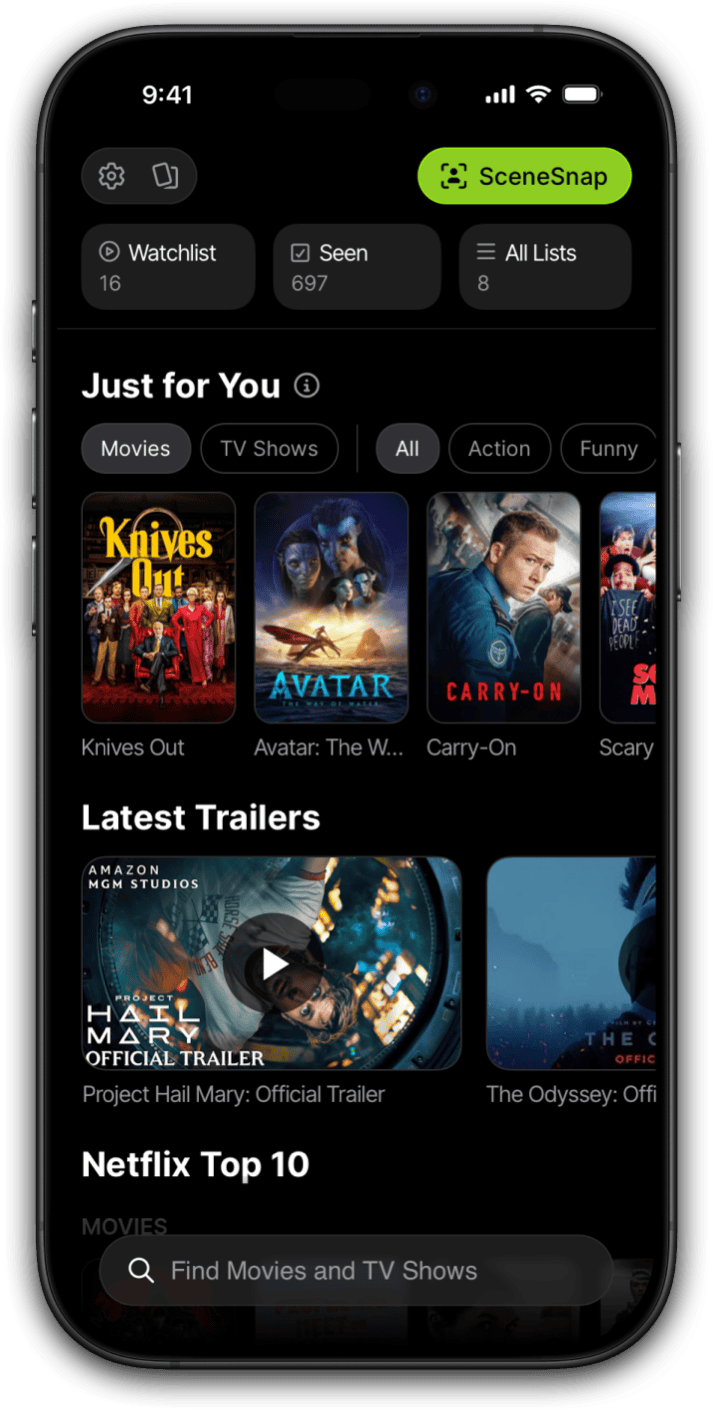
Find your next comfort watch
Limelight shows you where every show on this list is streaming right now, across all your services. Free on iOS and Android, no ads.


Shows with the same ensemble warmth
Brooklyn Nine-Nine
Brooklyn Nine-Nine doesn't use mockumentary format, but it shares The Office's defining quality: a workplace full of people who are individually absurd and collectively loyal. Jake Peralta is a great cop and a permanent adolescent. His colleagues are each built from a single dominant trait that the show slowly complicates over eight seasons. The will-they/won't-they between Jake and Amy is handled better than most, because the show commits to their relationship early and then figures out what the show is about after they're together rather than using the tension as a holding pattern.
The funniest network procedural ever made. The cast chemistry is exceptional. It has The Office's warmth without The Office's cringe, which makes it more immediately accessible if you find Michael Scott genuinely difficult to watch.
Schitt's Creek
No mockumentary. No workplace. A formerly wealthy family loses everything and has to start over in a small town they once bought as a joke. The first season is deliberately slow: the Roses are not likable people, and the show takes its time making them earn your affection rather than giving it to them. By the final season, it's one of the most emotionally generous shows on television, and the finale is the best series ending of any show on this list.
What Schitt's Creek shares with The Office is the long-game emotional arc. Both shows ask you to invest across multiple seasons in characters who start as less than their best selves and slowly become people worth rooting for. The payoff in Schitt's Creek is arguably more satisfying. Dan Levy's writing in the final two seasons is exceptional.
Community
A community college study group, and the most self-referential comedy on this list. Community loves television enough to spend entire episodes deconstructing specific genres: documentary episodes, western episodes, animated episodes, bottle episodes about bottle episodes. It's more demanding than The Office because it requires active attention and rewards long-term investment in its own internal mythology. Seasons three and four are the peak. The show goes very strange by then, and the strangeness is the point.
If you want the comfort of The Office's ensemble warmth with a show that also has opinions about the form of television itself, Community is the answer. Some people bounce off it. The ones who don't tend to watch it multiple times.
Worth watching despite the different settings
Arrested Development (seasons 1-3)
The densest comedy ever made for American network television. Every joke in Arrested Development is either a setup for a future payoff or the payoff of an earlier setup, often both simultaneously. The Bluth family is comprehensively awful, and the show commits to that awfulness without the redeeming warmth that The Office provides. What it shares with The Office is a willingness to trust its audience: Arrested Development assumes you're paying close enough attention to catch a callback from four episodes earlier. It rewards that attention without explaining itself.
Seasons one through three aired on Fox between 2003 and 2006. They constitute one of the most formally ambitious comedy runs in television history. The subsequent Netflix seasons are a different conversation and can be skipped.
Severance
Darker than anything else on this list and formally more ambitious. The "severance" procedure separates employees' work memories from their personal lives, so the people who go home at night have no memory of the people who clock in each morning. It's a heightened and horrifying version of a question The Office asks in a gentler register: what does it do to a person to spend a third of their waking hours in a place they didn't choose, with people they didn't choose? Severance takes that question seriously enough to make it genuinely frightening.
If you want workplace comedy with teeth, this is it. It's on Apple TV+ and belongs on any list of the best television made in the past decade.
The IT Crowd
Three people in the basement IT department of a large corporation in London. British, four series, 24 episodes total. The IT Crowd doesn't attempt to replicate The Office's documentary format or slow-burn character development. Instead it goes for density: each episode is essentially self-contained, the writing is exceptionally tight, and the three leads (Graham Linehan wrote it for specific actors) create a chemistry that rewards the full run. Moss and Roy and Jen are each strange in exactly complementary ways. It's funny the first time and funnier on rewatch.
Extras
Ricky Gervais, who made the original UK Office, plays an aspiring actor who works as a film extra. Extras uses celebrity cameos, played completely straight, to create a darkly funny meditation on ambition and the gap between who you want to be and who you've become. It's less warm than The Office and harder to rewatch because Andy Millman's trajectory is genuinely painful. But it's more honest about what the comedy of embarrassment costs its subjects, and the two-part finale is some of the best television Gervais has made.
Detectorists
The opposite of cringe comedy. A slow, gentle British show about two men who spend their weekends walking fields with metal detectors, looking for old coins. Mackenzie Crook wrote and directed every episode and somehow made a show about the most mundane possible hobby into something quietly extraordinary. Detectorists is for people who loved The Office's occasional moments of genuine tenderness more than its comedy. It has almost no jokes in the traditional sense. What it has is an atmosphere of extraordinary patience and care for its characters. Three short series, each episode under 30 minutes. One of the best things I've watched in years.
See where these are streaming tonight
Limelight finds every show across all your streaming services and tells you exactly where to watch. No more checking four apps manually. Free on iOS and Android.
Frequently asked questions
What show is most similar to The Office?
Abbott Elementary is the most direct successor. It uses the same documentary format, the same workplace setting, the same will-they-won't-they dynamic, and the same specific balance of cringe and genuine warmth. It's set in an underfunded Philadelphia public school rather than a paper company, but the structural and tonal DNA is nearly identical. If you want the closest possible match to The Office's specific style, start there.
Is Parks and Recreation as good as The Office?
Parks and Recreation starts noticeably weaker than The Office, with a first season that's essentially a drier, less distinctive version of the same premise. The show finds its voice in season two, builds through season three, and becomes one of the most purely feel-good shows in the history of network television by its peak. Whether it's "as good" depends on what you're measuring: it's less cutting, more optimistic, and more consistent in its later seasons than The Office was. Many people who love The Office prefer Parks by the end.
What are the best mockumentary TV shows?
The standout mockumentary comedies beyond The Office are Abbott Elementary (workplace, warm), What We Do in the Shadows (vampire roommates, inventive), Parks and Recreation (government, optimistic), Modern Family (family, accessible), and The Thick of It / Veep (political satire, sharp). What We Do in the Shadows is arguably the most inventive use of the format since The Office itself: applying documentary conventions to vampire roommates in Staten Island creates jokes that wouldn't work in any other structure.
Where can I watch Abbott Elementary?
Abbott Elementary airs on ABC and streams on Hulu in the United States. Availability varies by country. Limelight can tell you exactly where it's streaming in your region right now without you having to check multiple services manually.
Why is Severance on a list of shows like The Office?
Severance belongs here because the workplace is central to what the show does. The "severance" procedure, which separates employees' memories of work from their personal lives, is a heightened and horrifying version of a question The Office asks in a gentler register: what does it do to a person to spend a third of their waking hours in a place they didn't choose, with people they didn't choose? Severance is darker and more formally ambitious than anything else on this list, but it shares The Office's interest in what workplaces reveal about identity.
What should I watch after finishing both The Office and Parks and Recreation?
If you've finished both, I'd go to Abbott Elementary next for the most direct continuation of that tonal world, then Schitt's Creek for a different setting with similar emotional payoff. If you want something that rewards the same kind of patient long-term investment but takes bigger structural swings, Community is worth committing to. For something British and very different in energy but equally rewatchable, Detectorists is unlike anything else on television.